
Play Jackpot Bells Now!
Home → Strategy
Jackpot Bells Strategy
Approaching Jackpot Bells sensibly
Jackpot Bells by Playtech presents a theoretical return of 96.03%, establishing a house edge of 3.97% over extended play sessions. This RTP figure sits slightly above the Triple Money Jackpot Bells variant, which operates at 95.42%. Players should view this percentage as a long-term statistical average rather than a guarantee for short-term outcomes.
The maximum win potential for Jackpot Bells is capped at 37,500x the stake, requiring substantial capital to reach. In contrast, Alles Spitze offers a significantly lower cap of 500x despite its high volatility profile. This distinction highlights the risk-reward trade-off inherent in Playtech’s classic fruit-machine design.
Licensing and safety standards ensure that these mathematical parameters are audited and verified by independent regulators. Players must verify the casino operator holds a valid license before depositing funds into their bankroll. This verification process protects the integrity of the game's random number generator and payout history.
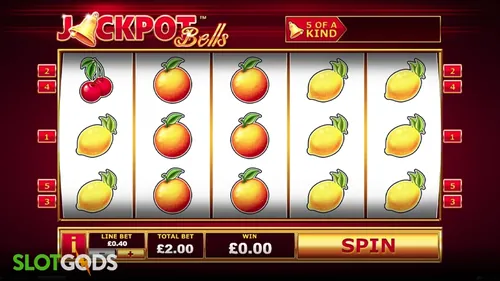
Bankroll rules that hold up
A defined bankroll represents the total funds allocated exclusively for playing Jackpot Bells without financial strain. Setting a strict limit prevents emotional decision-making when encountering the game’s medium volatility swings. This capital reserve should remain separate from personal savings or essential living expenses.
Flat betting involves wagering the same amount per spin, such as 2.00 € or 25.00 €, regardless of previous results. Progressive staking systems that increase bets after losses do not alter the built-in house edge of 3.97%. These strategies only accelerate the depletion of the bankroll through increased exposure to variance.
The bet range of 2.00 to 25.00 € allows players to adjust stakes according to their remaining balance. A player starting with 100 € can endure fewer spins at the maximum stake compared to the minimum entry point. Managing this ratio ensures longevity in gameplay while chasing the progressive jackpot feature.
Bet sizing against volatility
Medium volatility in Jackpot Bells suggests frequent small wins interspersed with longer dry spells between major payouts. This characteristic requires a bet size that can withstand periods without significant returns on the 5x3 reel layout. Wagers near the lower end of the 2.00 € to 25.00 € range extend session duration effectively.
The five paylines structure how winning combinations form across the classic fruit-machine symbols. Each line must be active for the progressive jackpot trigger conditions to be met during standard play. Adjusting bet size directly impacts the cost per spin relative to the potential 37,500x max win.
Comparing Jackpot Bells to Alles Spitze reveals different volatility management needs due to Merkur’s high variance design. While Alles Spitze demands larger buffers for its 500x cap, Playtech’s title allows more consistent bankroll preservation. Players should align their stake with the specific risk profile of the chosen title.
Session limits worth setting
Time-based limits prevent fatigue-induced errors when navigating the wheel-triggered jackpot in the Triple Money variant. Setting a timer for each session ensures players step away before making impulsive decisions based on frustration. This discipline helps maintain focus on the strategic aspects of bankroll management.
Loss limits define the maximum amount a player is willing to forfeit during a single visit to Jackpot Bells. Once this threshold is reached, all activity must cease immediately to protect the remaining bankroll. This rule is critical given the game’s medium volatility can quickly deplete funds if stakes are too high.
Win goals provide a clear exit strategy after hitting a substantial payout from the progressive jackpot feature. Securing profits prevents giving back winnings to the casino during subsequent volatile swings. This approach transforms gambling from a chase into a controlled financial exercise within safe boundaries.
Why chasing losses fails
Chasing losses implies increasing bet sizes to recover previously lost funds, which contradicts responsible gaming principles. The house edge of 3.97% remains constant regardless of the stake amount or recent outcome history. This mathematical reality makes recovery through aggressive betting statistically improbable over time.
The 96.03% RTP of Jackpot Bells applies equally to small and large wagers across thousands of spins. No betting system can overcome the negative expected value embedded in every individual round. Players who ignore this fact often find themselves exceeding their predefined loss limits rapidly.
Alles Spitze’s 90.85% RTP demonstrates an even steeper disadvantage for those attempting to recoup deficits. Comparing this to Jackpot Bells underscores the importance of accepting losses as part of the entertainment cost. Sustainable play relies on pre-set limits rather than reactive adjustments to unfavorable streaks.
Jackpot Bells: key facts
| Parameter | Value |
|---|---|
| Game | Jackpot Bells |
| Studio | Playtech |
| RTP | 96.03% |
| House edge | 3.97% |
| Volatility | medium |
| Max win | 37,500x |
| Reels | 5x3 |
| Paylines / ways | 5 |
| Bet range | 2.00 – 25.00 |
Common systems and their limits
Jackpot Bells presents a 96.03% RTP alongside a medium volatility profile, which fundamentally constrains the efficacy of any common betting system applied to its 5x3 grid. This theoretical return over a very long run implies that short-term strategies cannot overcome the built-in house edge of 3.97% regardless of stake size or pattern. Players attempting to use complex progression models will find their bankroll eroded by the mathematical reality of the game's design rather than any flaw in their execution.
The maximum win potential of 37,500x offers a significant payout ceiling for players who manage their funds carefully while navigating the five paylines available on the reel layout. Such a high multiplier requires patience and consistent play, as hitting the progressive jackpot feature involves specific symbol combinations that are not guaranteed by any betting strategy. The Triple Money Jackpot Bells variant introduces a wheel-triggered jackpot mechanism, adding another layer of randomness that further diminishes the value of predictive staking approaches.
Flat betting explained
Flat betting dictates that the player wagers the same stake every round, which aligns well with the 2.00 to 25.00 bet range offered by Playtech for Jackpot Bells. By keeping the wager constant at the lower end of this spectrum, players can extend their session length significantly while still having opportunities to trigger the classic fruit-machine symbols. This method avoids the rapid depletion of funds associated with aggressive staking plans and provides a more predictable variance profile over hundreds of spins.
The consistency of flat betting allows players to better observe the actual performance of the 96.03% RTP without the noise introduced by fluctuating stake sizes. Since the game features a medium volatility setting, steady wagers help smooth out the natural swings between wins and losses that characterize such slot mechanics. This approach ensures that the bankroll lasts longer, providing more data points to understand how the progressive jackpot feature triggers relative to the total amount wagered.
Progressive staking risks
Progressive staking involves raising stakes after losses, a practice that drastically increases the risk of ruin despite the 96.03% RTP of Jackpot Bells remaining mathematically unchanged. Increasing bets during a losing streak does not alter the house edge of 3.97%, but it accelerates the time required to exhaust a fixed bankroll entirely. Players must recognize that no betting system can overcome the negative expectation inherent in slots, regardless of how aggressively they adjust their wagers on each spin.
What the maths actually allows
The 96.03% RTP means that for every 100 units wagered on Jackpot Bells, approximately 96.03 units are returned to players over an infinite number of spins. This theoretical figure is calculated across hundreds of thousands of rounds, ensuring that short-term results will always deviate significantly from this average due to variance. Understanding this long-run perspective prevents players from expecting immediate returns and helps them set realistic expectations for their gaming sessions involving the 5x3 grid.
Reading variance honestly
Medium volatility in Jackpot Bells indicates a balance between frequency and size of wins, meaning players will experience moderate swings rather than extreme highs or lows immediately. This characteristic suggests that while big wins like the 37,500x max prize are possible, they are spaced out over many spins, requiring sustained play to potentially reach them. Players should prepare for periods of lower returns interspersed with occasional payouts that help maintain their bankroll during extended gaming sessions on the platform.
Learning the game in demo first
Jackpot Bells by Playtech offers a theoretical return of 96.03% over extended play sessions, which establishes a house edge of exactly 3.97% for every wager placed on the reels. This specific RTP figure distinguishes the standard version from other configurations like the Triple Money Jackpot Bells variant that circulates with a lower 95.42% return rate. Players testing the title should recognize that this percentage represents a long-term average rather than a guarantee for short gaming sessions or individual spins.
The maximum win potential in Jackpot Bells reaches an impressive 37,500x multiplier applied to the initial stake, providing a significant payout opportunity for successful players during their session. Such high multipliers are characteristic of slots developed by Playtech, who also created Big Bass Splash which caps its wins at 5000x despite having a higher RTP of 96.71%. Understanding these limits helps users manage expectations regarding the volatility and potential rewards offered by different titles from the same provider.
Demo modes allow users to explore the medium volatility mechanics without risking real funds, highlighting how the five paylines interact with classic fruit-machine symbols on the 5x3 reel layout. While Playtech designs these games with engaging features like progressive jackpots, the absence of crash mechanics means there is no cash-out button to influence outcomes mid-spin. This structural difference ensures that all results remain determined solely by the random number generator within the defined parameters of the slot engine.
Adjusting stakes to your budget
The bet range for Jackpot Bells spans from a minimum of 2.00 € up to a maximum of 25.00 € per spin, allowing players to tailor their bankroll consumption to their available funds. A player utilizing flat betting with the lowest stake of 2.00 € will experience slower bankroll depletion compared to those opting for the highest allowable limit of 25.00 €. This flexibility supports responsible gambling practices by enabling users to select a wager size that aligns precisely with their financial comfort zone and risk tolerance levels.
Progressive staking strategies involve raising stakes after losses, which does not alter the built-in house edge of 3.97% but significantly shortens the time until bankroll ruin occurs. For instance, increasing bets aggressively when chasing losses can deplete a set budget much faster than maintaining consistent wagers throughout the session duration. Players must understand that mathematical edges remain constant regardless of betting patterns, making disciplined stake management crucial for extending gameplay longevity.
Comparing Jackpot Bells to other titles reveals distinct budget implications, as Big Bass Splash by Pragmatic Play allows similar base stakes but offers a different volatility profile affecting fund endurance. The 96.71% RTP in Big Bass Splash suggests slightly better long-term retention than the 96.03% found in Jackpot Bells, though both require careful monitoring of total turnover. Users should calculate expected losses based on these percentages to ensure their entertainment budget remains sustainable across multiple playing sessions over time.
Bonus terms often impose wagering requirements that affect how effectively bonus funds can be converted into withdrawable cash through gameplay on specific titles like Jackpot Bells. A typical offer might provide a 300% welcome bonus up to 2,000 € plus 100 free spins, requiring substantial turnover before any winnings become accessible for withdrawal. Players must verify if contributions from jackpot wins count fully toward these requirements, as restrictions vary widely between different casino operators and promotional campaigns.
Recognising a bad session
A session where cumulative losses exceed the predefined bankroll allocation indicates poor performance, especially when the house edge of 3.97% accumulates rapidly due to high-frequency spinning. If a player continues betting at the maximum 25.00 € level despite negative variance, they risk exhausting their funds before hitting the theoretical return rate of 96.03%. Monitoring the ratio of spins played against remaining balance helps identify when statistical drift signals an unfavorable trend that warrants immediate cessation of activity.
The medium volatility setting in Jackpot Bells means payouts occur with moderate frequency, yet extended dry spells can still drain resources faster than anticipated during unlucky streaks. Unlike high-volatility games such as Big Bass Splash which may have longer gaps between wins, the balanced nature of Playtech's design requires patience but also exposes players to steady erosion if discipline lapses. Recognizing when emotional frustration overrides strategic planning is essential for preventing irreversible financial damage during these challenging periods.
Wagering requirements attached to bonuses can mask true costs, as a 300% bonus up to 2,000 € demands significant turnover that might not be achievable within safe loss limits. For example, a 40x wagering requirement on a 2,000 € bonus translates to 80,000 € in required bets, exposing the player to the full impact of the 3.97% house edge repeatedly. Calculating the expected loss from this volume of play helps determine whether pursuing the bonus remains financially viable or constitutes a detrimental use of capital.
Stopping while ahead
Cashing out profits once they reach a predetermined threshold preserves gains against the inevitable regression to the mean dictated by the 3.97% house edge in Jackpot Bells. Securing a portion of winnings early prevents subsequent spins from eroding positive variance, ensuring that the theoretical return of 96.03% does not consume accumulated benefits over time. This strategy mitigates the risk of losing hard-earned money back to the operator due to the mathematical certainty of long-term negative expectation.
The maximum win cap of 37,500x provides a clear target for profit-taking, as achieving such a milestone represents an exceptional outcome far above the average RTP of 96.03%. Players who hit this peak should consider withdrawing immediately rather than reinvesting winnings, since continuing to gamble invites exposure to the same risks that caused earlier fluctuations. Locking in substantial multipliers protects the bankroll from being depleted by subsequent losing streaks that inevitably follow any successful run in a volatile environment.
Comparative analysis shows that stopping after significant wins in Jackpot Bells yields better results than chasing further payouts in games like Big Bass Splash with its 5000x max win limit. While Big Bass Splash offers a higher RTP of 96.71%, its lower ceiling means players might stay engaged longer seeking larger returns, whereas Jackpot Bells' structure encourages decisive action upon success. Establishing strict exit criteria based on absolute profit amounts rather than relative performance helps maintain financial control and prevents greed-driven decisions.
Bonus funds often come with conditions that restrict immediate withdrawal, meaning players must complete wagering requirements before realizing any profit generated from the 300% welcome bonus up to 2,000 €. Even if a player achieves a large win using bonus credits, the obligation to generate sufficient turnover through repeated spins extends the session duration and increases exposure to the house edge. Planning withdrawals around these constraints ensures that final payouts reflect actual net gains rather than gross figures obscured by mandatory playthrough obligations.
Responsible play in practice
Implementing deposit limits ensures that spending on Jackpot Bells never exceeds the designated bankroll, protecting users from impulsive decisions driven by the allure of the 37,500x maximum win potential. Setting daily or weekly caps aligned with the 2.00 € to 25.00 € bet range creates a structured framework that prevents excessive expenditure regardless of winning or losing streaks. This proactive measure safeguards financial stability by enforcing boundaries that operate independently of emotional states or temporary luck during gameplay sessions.
Time management tools complement financial controls by limiting the duration of access to Playtech's title, reducing the total number of spins exposed to the 3.97% house edge. Shorter sessions minimize the probability of encountering adverse variance that could deplete funds faster than the theoretical RTP of 96.03% would suggest over infinite trials. By capping playtime, users reduce the cumulative impact of fees and commissions embedded in every transaction, preserving more of their original investment for future entertainment.
Self-exclusion mechanisms provide a definitive solution for individuals recognizing problematic behavior, offering a mandatory break from accessing Jackpot Bells and other casino products indefinitely or for specified periods. This feature addresses the psychological aspects of gambling addiction by removing immediate access, forcing a pause that allows reflection on the consequences of unchecked play. Utilizing such tools demonstrates commitment to long-term well-being over short-term gratification derived from the medium volatility mechanics of the slot.
Education about terms like RTP and volatility empowers players to make informed choices, clarifying that the 96.03% return is a statistical average realized over hundreds of thousands of spins rather than a promise for individual visits. Understanding that progressive staking strategies fail to overcome the inherent advantage held by the operator helps dismantle misconceptions about beating the system through clever betting patterns. Knowledge serves as the primary defense against manipulation, enabling users to approach Jackpot Bells with realistic expectations and appropriate caution.
DemoRTP & VolatilitySymbols & PayoutsBonus FeaturesStrategyBonusesMobileDownload & AppMax WinSimilar GamesReviewFAQSitemap
Jackpot Bells 2026